Painting Services Preparation Guide
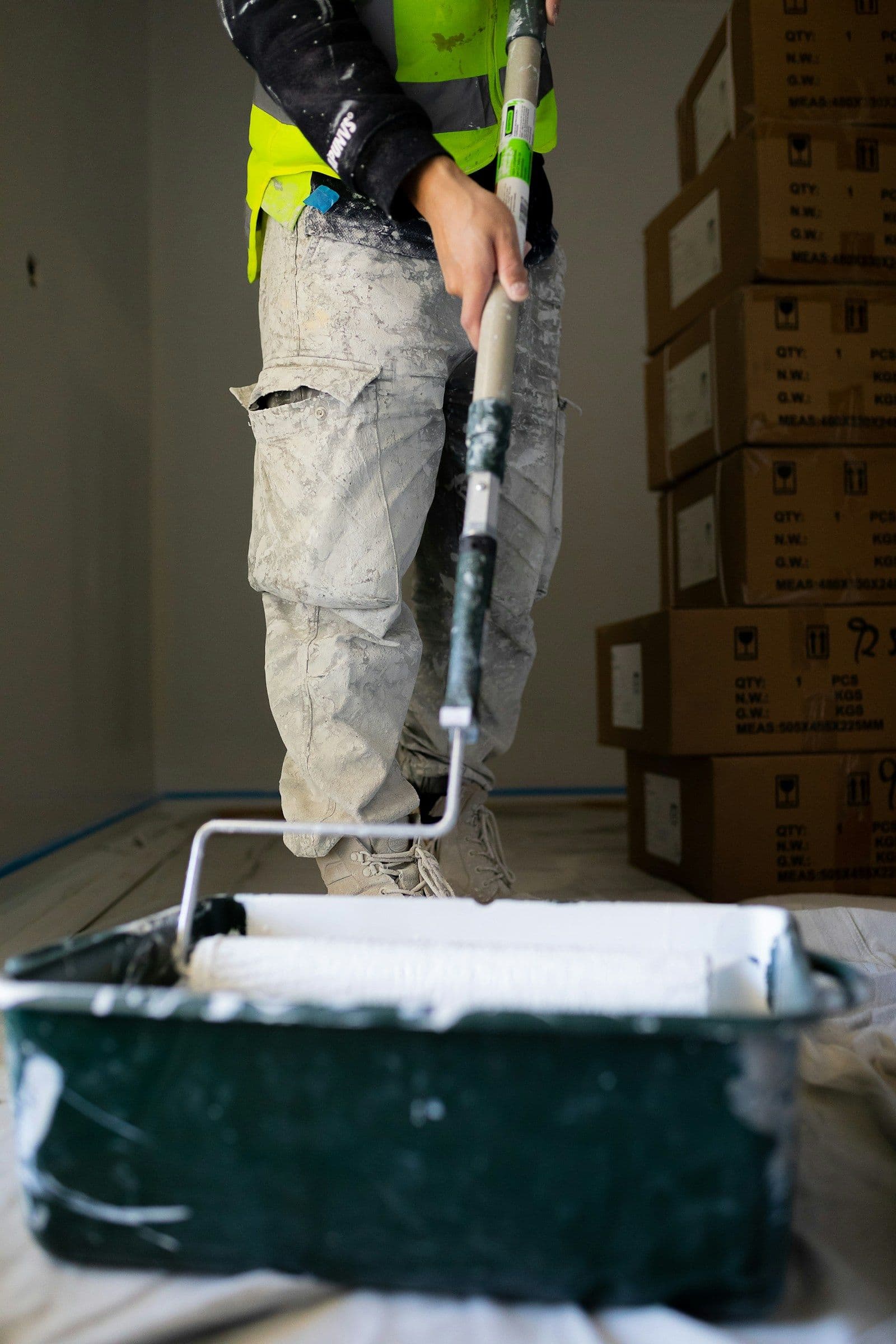
A good painting result depends on preparation as much as the paint itself. Whether you are repainting an HDB flat, condominium or landed home in Singapore, proper preparation helps create smoother walls, cleaner edges and a finish that lasts longer.
Before painting begins, the room should be cleared, protected and checked for cracks, stains, dampness and mould. Good preparation also helps reduce paint marks on floors, furniture, fittings, doors and skirting areas.
Before the painters arrive
- Move furniture away from the walls where possible.
- Cover furniture, flooring and fixed fittings with suitable protection.
- Remove wall decorations, curtains, mirrors and small fixtures.
- Point out cracks, water stains, damp areas or mould before work begins.
- Confirm the rooms to be painted, the colour choices and whether feature walls are required.
- Let the painting team know whether the home is occupied or empty.
- For HDB flats and condominiums, confirm lift access and any shared corridor protection required by the building.
Surface preparation
Walls should be inspected before paint is applied. Dust, grease and loose material can prevent paint from bonding properly. A professional preparation process may include the following steps.
- Filling small holes and surface cracks.
- Sanding uneven or repaired areas.
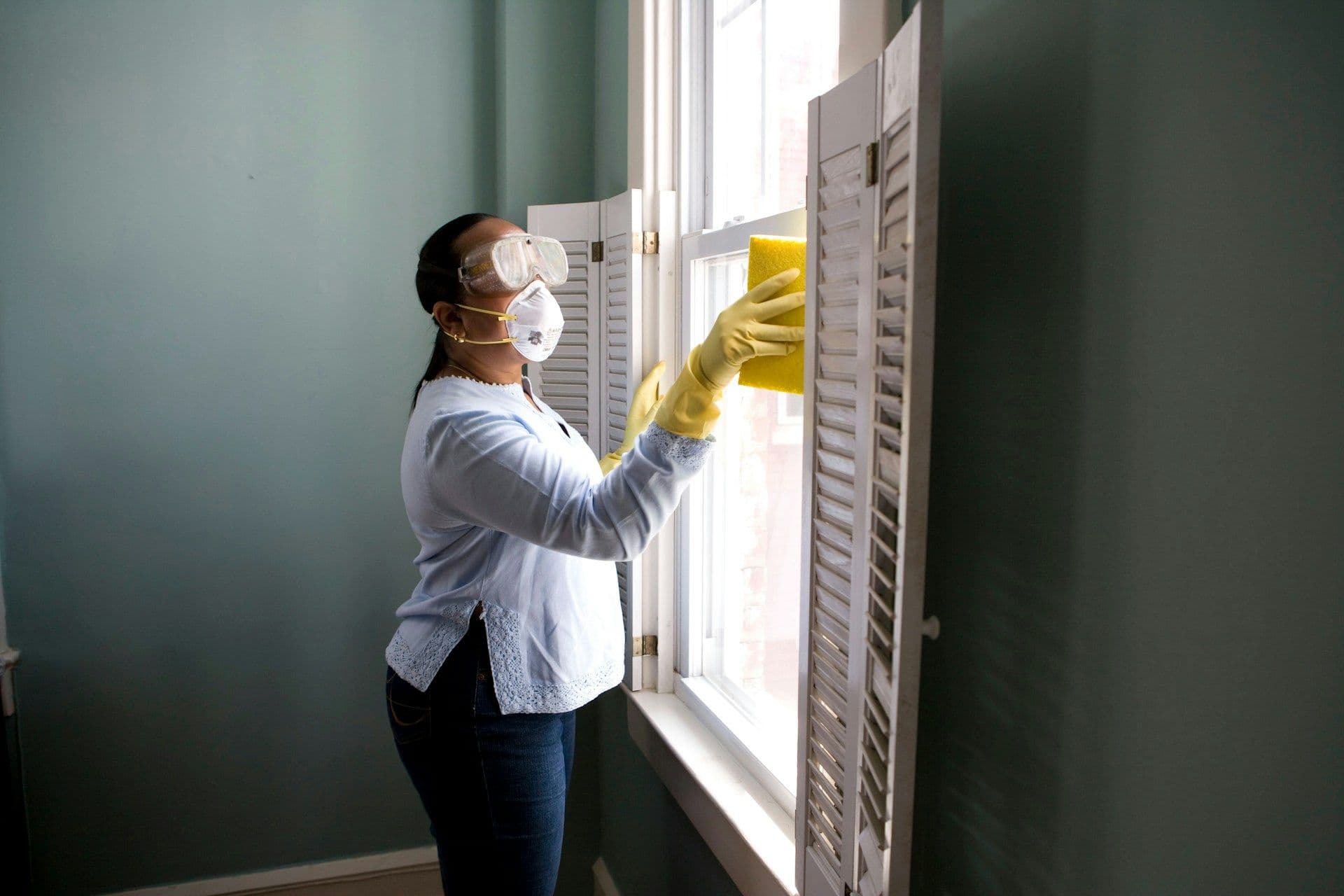
- Cleaning dusty, greasy or marked walls.
- Removing loose or peeling paint.
- Applying primer to stains, fresh plaster or repaired areas.
- Allowing surfaces to dry before applying the next coat.
Dampness and mould should not simply be painted over. The cause should be assessed first so that the new paint finish does not fail prematurely.
Choosing the right paint finish
Different rooms may need different paint characteristics. Living rooms and bedrooms usually benefit from a clean low sheen finish that is easy to maintain. Kitchens, hallways and children’s rooms may benefit from a more washable finish because these areas receive more daily contact.
Bathrooms and humid areas need careful consideration because moisture can affect paint adhesion and encourage mould. An anti mould product may be suitable depending on the condition of the surface.
If you are unsure about a colour, test a small area first. Colours can look different depending on natural light, room size, furniture and existing flooring.
A typical home painting process
- Inspect the rooms and confirm the agreed scope.
- Protect floors, furniture, fixtures and surrounding areas.
- Prepare the walls by cleaning, filling and sanding.
- Apply primer where required.
- Paint the main walls and ceilings.
- Apply additional coats where needed for even coverage.
- Paint feature walls or selected areas separately.
- Complete touch ups around corners, edges, doors and fittings.
- Remove protective coverings and clean the work area.
- Complete a final inspection with the homeowner.
Allowing proper drying time between coats is important. Rushing the process can affect coverage, colour consistency and the final appearance.
Common painting mistakes
- Painting over dust or grease, which can cause uneven coverage and poor adhesion.
- Skipping surface preparation, which can leave cracks and holes visible after painting.
- Choosing a colour from a very small sample without checking the room lighting.
- Forgetting ceilings, doors, skirting areas and small touch up points when preparing the scope.
- Not allowing enough time for coats to dry before moving furniture back into the room.
How to prepare for a painting quotation
To receive a clearer quotation, share the following information with the painting team.
- Property type and location.
- Number of rooms or areas.
- Approximate property size.
- Current wall condition.
- Preferred colours and number of feature walls.
- Whether ceilings, doors or skirting areas are included.
- Whether furniture needs to be protected or moved.
- Preferred work dates.
Photos of the rooms can also help the team understand the condition before arranging an assessment. ALLDONE provides painting services for homes in Singapore, including surface preparation, interior painting, feature walls, touch ups and tidy handover.